ABS and Constellation have signed a memorandum of understanding (MOU) at ROG.e 2026 to study how battery energy storage could improve efficiency and resilience of power systems on board a Constellation drillship.
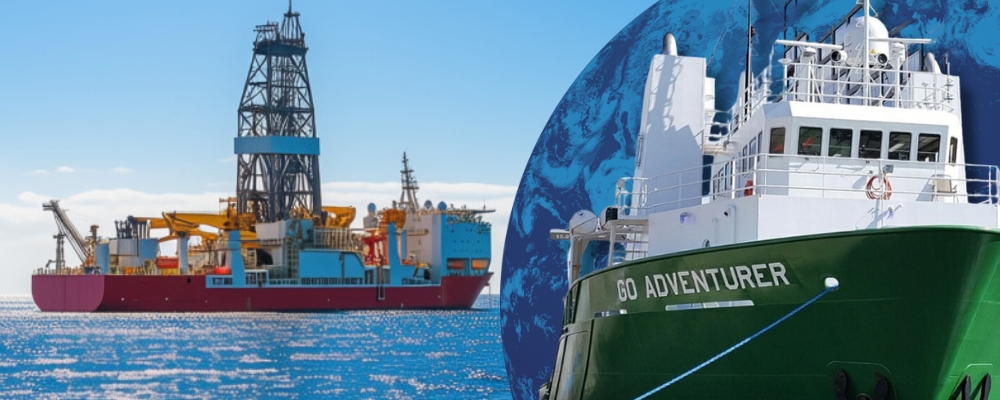
Constellation Oil Services, Brazil’s largest offshore drilling contractor, owns and operates ships that are designed to drill oil and gas wells in harsh offshore environments, often reaching water depths of 10,000 to 12,000 feet.

ROG.e 2026 is a major international energy and oil/gas event that was held this year from September 21–24, 2026, at Riocentro in Rio de Janeiro, Brazil. Organized by the Brazilian Petroleum and Gas Institute (IBP), the four-day festival connected global industry leaders, technical experts, and policymakers
Under the terms of the MOU, ABS and Constellation will examine the feasibility of running a drillship vessel’s generators as a single, connected power system rather than in isolated groups. Known as closed-bus operations, this approach could reduce the number of engines needed to run at a given time. Combined with energy storage systems, it could help optimize generator use, reduce emissions and strengthen power-plant resilience during offshore drilling operations.
“Offshore drilling units have complex power demands, and the safe integration of energy storage requires a detailed understanding of the vessel, its operating profile and its power system. ABS is proud to support Constellation as it evaluates practical energy storage technologies for its fleet,” said Matt Tremblay, ABS Senior Vice President, Global Markets.
Separately at the conference, ABS presented Constellation with an approval in principle (AIP) for its design of a fuel processor for the Laguna Star drillship. The system is designed to emulsify water with fuel inline, ahead of the engine, with the goal of reducing fuel consumption and emissions.
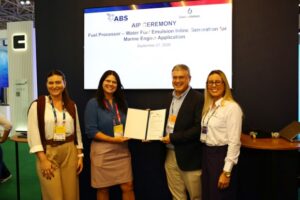
“Constellation sees disruptive technologies as a key tool for accelerating the decarbonization of its operations. ABS’s recognition reinforces the technical robustness of these initiatives and their contribution to the commitments established in our ESG 2030 Plan,” said Leonardo Guimarães, Constellation Chief Technology Officer.
From electrification to new approaches for fuel and energy efficiency, offshore drilling contractors are looking for practical ways to reduce emissions without compromising uptime. ABS continues to work with offshore energy operators across this range of technologies, supporting projects from early feasibility studies through class approval. Learn more about how ABS is supporting the offshore industry here.
How Do Offshore Supply Vessels Like Guice Offshore Work With Drillships?
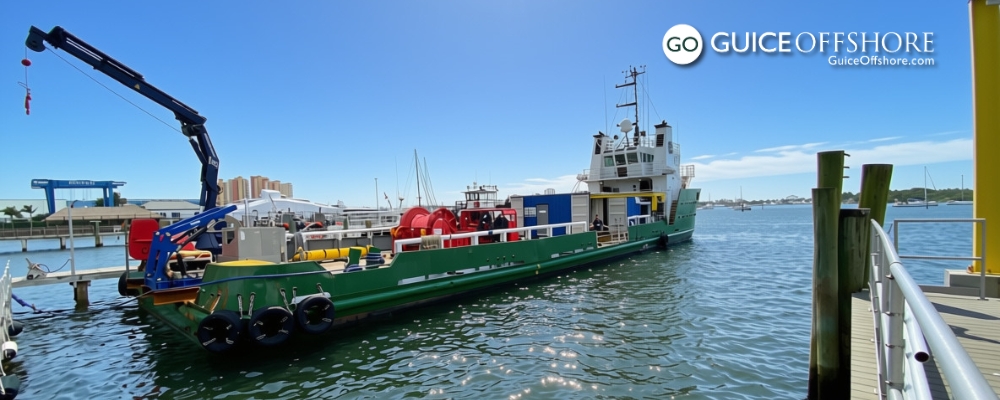
Offshore supply vessels (OSVs) and platform supply vessels like those in the Guice Offshore fleet are the mainland connector for drill ships, bringing fuel, water, materials, and even shuttling crew members, engineers and specialists back and forth between onshore supply bases and offshore drilling sites.
Offshore support vessels also perform a safety function by assisting drillships with emergency evacuations, firefighting or oil spill response.