Call Us: (337) 889-0220
Visit Us On TwitterVisit Us On FacebookVisit Us On YoutubeVisit Us On LinkedinCheck Our FeedVisit Us On Instagram

Offshore Vessels and Deck Cranes Are Ways to Combat Large-Scale Marine Debris

Guice Offshore Vessels and Deck Cranes Are Ways to Combat Large-Scale Marine Debris

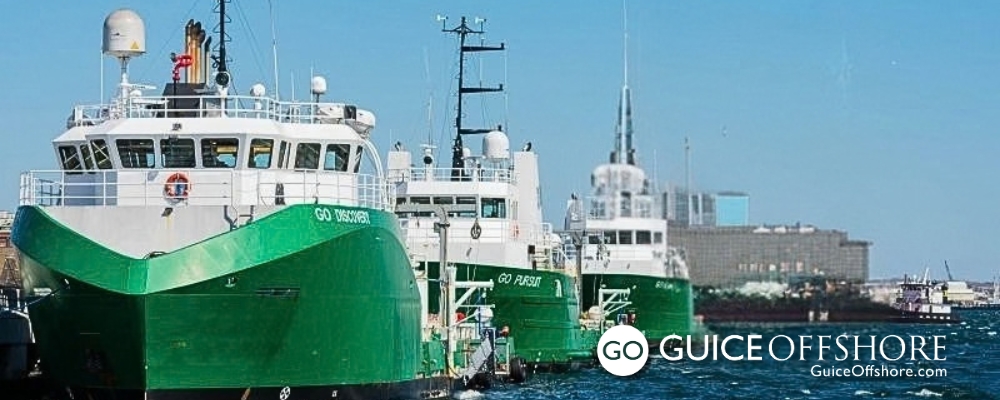
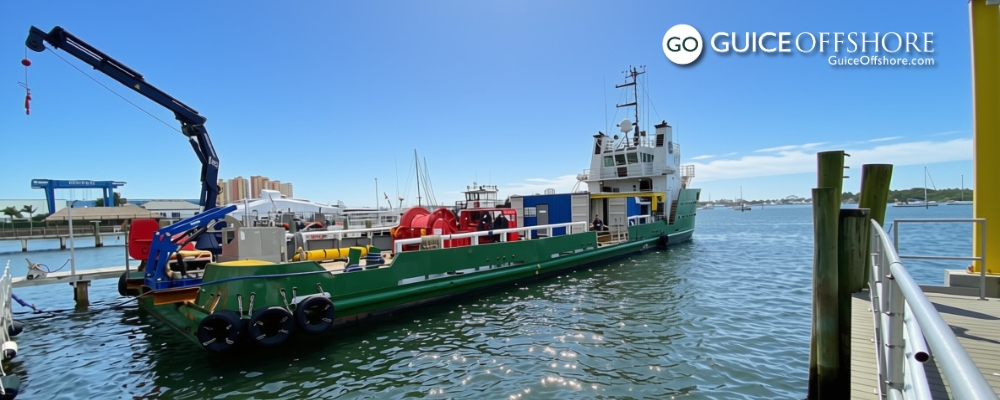
Guice Offshore brings substantial experience in supporting inspection and repair activities following disaster events along with assisting in marine salvage, a broadly defined industry that encompasses rescue towing, putting out fires, patching or repairing a ship, refloating a sunken or grounded vessel, moving a disabled vessel in order to clear navigation channels, and raising sunken ships or their cargo.  The versatility of the GO mini-supply vessel fleet is well-suited for many of these roles.  In fact, Guice Offshore has supported the needs of salvage operations, and even treasure hunting projects. 

Below, the article reprinted from the NOAA Marine Debris Program Office explains the various tools to combat marine debris, including offshore vessels equipped with deck cranes and other heavy lifting machinery.

___________________________

Marine debris is a challenging problem. 

Across the country, NOAA and partners remove everything from lost fishing gear tangled on the seafloor to sunken vessels, abandoned tire reefs, and other trash that have become hazards to navigation and marine ecosystems in the ocean and Great Lakes.

Beginning in 2013, NOAA and its partners began to take on the removal of larger-scale marine debris  that is beyond what is considered typical — this includes the removal of abandoned vessels, barges, piers, and other debris that can remain in the environment for decades. Doing so improves vessel navigation, supports the fishing and tourism economy, helps communities recover from disasters, and prioritizes productive and safe shorelines and waterways across the United States. 

To date, more than 50 million pounds of large-scale marine debris has been taken out of marine environments. 

But clearing large-scale and bulky debris can present big challenges depending on where it is located and what it is made of. 

Let’s peek into 4 techniques that NOAA and our partners use to keep our marine environments free of debris:

1. Gear recovery from seafloor to sea surface
Divers carefully cut fishing gear free from other gear or natural structures before attaching red flotation devices, known as lift bags, to float the debris to the surface during removal operations in the Florida Keys
Divers carefully cut fishing gear free from other gear or natural structures before attaching flotation devices, known as lift bags, to float the debris to the surface during removal operations in the Florida Keys in 2020. Lost and abandoned fishing gear, often called ghost gear, can continue trapping marine life long after it enters the environment. Nets, traps, and lines frequently become tangled on reefs, kelp, rocks, and the seafloor, making them difficult to retrieve. In deeper waters, remotely operated vehicles can help crews locate and recover gear that would otherwise remain out of reach. (Image credit: Sean Davis/National Marine Sanctuary Foundation)
2. Heavy machinery for heavy lifting
An aerial view of a partially sunken bridge being lifted by a crane in Neah Bay, Washington.
A partially sunken bridge is lifted by a crane in Neah Bay, Washington. Formerly a floating bridge, this structure was previously part of the Interstate 90 near Seattle and brought to the Makah Tribal Marina for a construction project. Sunken barges, abandoned vessels, derelict piers, and aging marine infrastructure can be major navigation hazards; can weigh hundreds of tons and degrade significantly in the water; and may contain pollutants, such as fuel, paint, and heavy metals. Removal of this heavy debris often requires cranes, salvage vessels, engineers and months of planning to safely remove from the water. (Image credit: Howard Shack, Toolbox Pictures/National Marine Sanctuary Foundation)
3. A hands-on approach for high-impact debris removal
A free diver removes abandoned nets from the seafloor, while a lobster fisher (right) collects an abandoned lobster trap using a surfboard.
A free diver (left image) with the Papahānaumokuākea Marine Debris Project removes a large amount of netting from the seafloor in Papahānaumokuākea National Marine Sanctuary in the fall of 2023. Commercial fishers, divers, and community partners often retrieve fishing gear including traps, netting, and line, and other debris by hand in places where larger vessels cannot operate. The diving team’s approach to removal depends on the type of abandoned net that is found. Large nets are often cut into smaller sections. Free divers will sometimes attach a line to the net to rig it to a pulley system and bring it aboard the small boat. A net mass, a clump of many nets tangled together, typically weighs 1,000 pounds and takes four marine debris technicians an hour and a half to remove. A lobster fisher (right image) loads a retrieved trap onto his surfboard to paddle back to the boats waiting offshore of Santa Rosa Island in California’s Channel Islands in September 2025. Lobster fishers and volunteers have used skiffs and surfboards to help recover abandoned traps from remote, rocky shorelines and nearshore waters. (Image credit: Andrew Sullivan-Hawkins/Papahānaumokuākea Marine Debris Project (left); NOAA Marine Debris Program (right)
4. Aircraft-assisted removal in remote areas
An abandoned boat is lifted by a helicopter off a beach and then removed from the area.
A derelict vessel (left) is hoisted by a Washington State Department of Natural Resources firefighting helicopter over the shoreline of Squaxin Island in Washington’s Puget Sound in June 2025. In remote locations with sensitive coastal habitats, transporting debris to a disposal site poses unique challenges for cleanup crews who must contend with weather, tides, and limited infrastructure. In this example, a crew (right) airlifted vessels out of the area to avoid harm to nearby eelgrass and kelp habitat. (Image credit: Courtesy of Caity Rigg/Washington Department of Natural Resources)
Collage image depicts Large durable bags filled with retrieved marine debris called “super sacks” (left) are secured to a line and lifted off the ground by a helicopter that will transport them to a barge offshore.
Alaska, July 2025: Large durable bags filled with retrieved marine debris called “super sacks” (left) are secured to a line and lifted off the ground by a helicopter that will transport them to a barge offshore. A helicopter (right) deposits bagged marine debris to a barge offshore in remote shorelines in Alaska. Gulf of Alaska Keeper pioneered this technique in Alaska using helicopters to avoid dangerous transit in high surf. Cleanup crews collect and bag the debris, and then they place the sacks in designated collection points for helicopter pickup.  (Image credit: Courtesy of Ocean Plastic Recovery Project (left image); Courtesy of Gulf of Alaska Keeper (right image)))
Dive deeper

Since 2006, NOAA’s Marine Debris Program has served as the U.S. government’s lead to reduce and prevent the adverse impacts of marine debris on our ocean and Great Lakes. 

____________________________________________________________
Guice Offshore Marine Disaster Response, Submerged Disaster Debris Cleanup, Salvage, Inspection and Repair

In the aftermath of a storm, finding and removing submerged debris amid devastated inland waterways and coastal areas can be critical in restoring utilities, transit and maritime traffic into ports or other crucial commerce locations.

To help with virtually any kind of underwater removal, Guice Offshore has the vessels, crew and often the deck machinery like cranes, winches, a-frames and can even access submersible and remote-operated underwater vehicles via preferred vendors and partnerships.

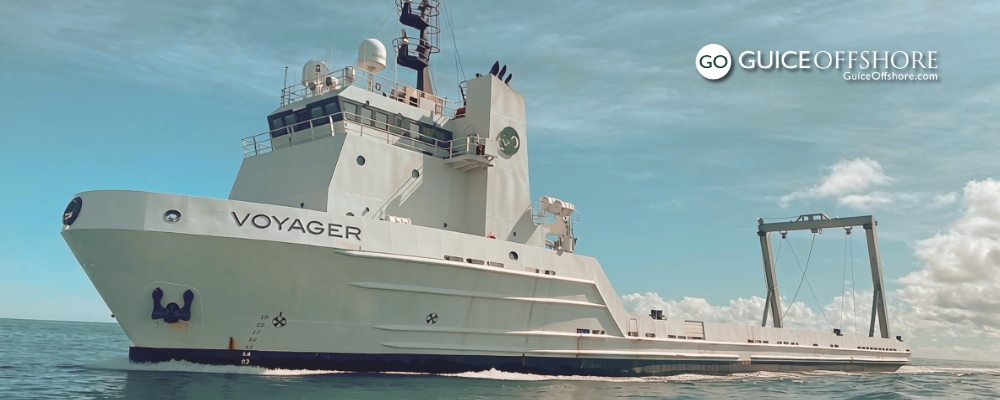
Our various multi-purpose vessels such as the GO America can be available to assist with all types of hurricane recovery operations, and even serve as floating accommodations for FEMA, U.S. Department of Homeland Security, federal and state emergency management staff, and other military, law enforcement and government recovery personnel.
Related Posts