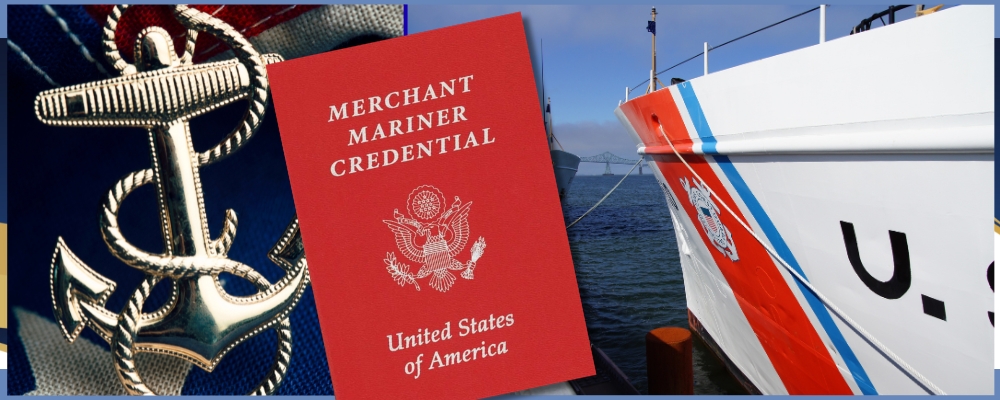
The U.S. Coast Guard is modernizing the mariner credentialing experience through the development of NAVITA, the name of a new digital platform designed to streamline the Merchant Mariner Credential (MMC) application and issuance process for mariners. A phased rollout of the program is scheduled for September 2026.
NAVITA, Latin for “sailor,” is part of the Coast Guard’s broader digital transformation effort focused on improving user experience, modernizing prevention-related systems, and reducing administrative burdens for maritime stakeholders.
For many mariners, the credentialing process involves cumbersome paperwork, multiplesub missions, and lengthy back-and-forth communication with the National Maritime Center. Now, NAVITA will offer a user-friendly and modern experience that simplifies credential application submission, reduces common errors, and improves transparency throughout the process.
The effort has one simple goal: making it easier for mariners to get the credentials they need so they are ready to work.
“This is about more than replacing a system,” said Rear Admiral Wayne Arguin, the Coast Guard’s assistant commandant for Prevention Policy. “It’s about designing services around the mariner experience and improving the public’s trust and interactions with the Coast Guard.”
The Coast Guard Mariner Credentialing Program is currently conducting user testing and working closely with stakeholders to better understand mariner needs and identify opportunities to improve the user experience. Early testing and feedback are shaping the platform ahead of its initial rollout in September 2026.
The initial version will allow mariners to set up their profiles and submit credentials and medical applications. System updates will be released periodically; stay tuned for more announcements!
NAVITA also represents the first major step in a broader effort to modernize prevention-related services and systems across the Coast Guard. And it is the latest effort to improve Coast Guard technology. The Service recently released its Digital Transformation Strategy, a roadmap to improve the Coast Guard’s information gathering and sharing.
Ultimately, NAVITA will create a more efficient, transparent, responsive, and user-friendly experience for mariners.
As development continues, the Coast Guard will provide regular updates, additional information, and user-focused resources leading up to launch.
More information on NAVITA are available on the NAVITA website and National Maritime Center website.
Some MMC recent updates:
- Resumption of Services at the National Maritime Center and Regional Examination Centers
- National Maritime Center – U.S. Postal Service (USPS) Shipping Labels and Extended Processing Timelines
- NMC Extension Policy Update: Extension of Merchant Mariner Credentials and Medical Certificates
- Guidelines for Coast Guard Approved Training
About the U.S. Coast Guard Digital Transformation (DTX) Strategy
In today’s fast-moving threat environment, speed, coordination and decisive advantage are critical to mission success. That is why the Coast Guard created a Digital Transformation (DTX) Strategy, which is a blueprint designed to deliver maritime advantage by improving how the gather, share, and act on information across the Service.
The DTX Strategy provides a Service-wide roadmap to:
- Increase “minutes on mission” by automating repetitive administrative tasks and reducing manual workload so members can focus on critical work that requires human judgment.
- Accelerate decision-making by delivering near-real-time data to operators and leaders at every level.
- Enhance operational coordination by improving data sharing across units, mission areas, and partners.
- Field capabilities faster through modern, integrated systems that perform reliably in any operating environment.
- Empower the workforce to use new technologies through targeted professional development, enabling faster adoption, greater effectiveness, and more impact on the mission.
- Strengthen readiness by enabling leaders to anticipate trends, allocate resources, and respond with greater precision.
A strategy for the modern Coast Guard
Ultimately, DTX means improved access to the data, tools, and systems that help the workforce make quicker, more informed decisions at every level. It means getting new capabilities into the field faster, reducing unscheduled maintenance, strengthening our cyber defenses, and cutting down on the administrative burdens and manual processes that reduce time on task.
In the digitally transformed Coast Guard, for example, boarding officials will be equipped with handheld mobile devices containing secure, digital versions of required forms and operational systems. Instead of spending valuable time filling out duplicate forms by hand and reentering information into required databases, boarding officers will be able to capture key data in real time while staying focused on their primary mission: boarding vessels and keeping the American people safe.
The result is a faster, more transparent experience for the public and reduced administrative burden on Coast Guard boarding personnel, allowing crews to spend less time on paperwork and more time focused on mission execution and public safety.
Most importantly, DTX is about sharpening the Coast Guard’s operational edge. By offloading manual administrative work to modern technology, we can reduce the friction that pulls crews away from mission-critical work, allowing them to focus on operations that require human judgment, leadership, and expertise. This means fewer barriers to action, improved situational awareness, and greater agility in responding to emerging threats.
“Digital transformation is a cultural shift in how we operate,” said Brian Campo, director of technology readiness and chief data and artificial intelligence officer (CDAO). “This strategy calls for strengthening the workforce’s digital literacy, encouraging adoption of new tools, and fostering a culture that embraces digital innovation and continuous learning.”
Looking ahead
Digital transformation is already underway. The new Technical Readiness Transformation (TRT) office, established by the Technology Readiness Directorate (CG-TECH) to oversee implementation efforts, is advancing DTX through targeted pilots, training, and enterprise data initiatives designed to deliver operational value quickly and at scale. Early efforts, including automation of workflows and improved data integration, are closing readiness gaps and increasing the Service’s ability to respond quickly when the stakes are high.
In the coming months, CG-TECH teams will bring these capabilities directly to units across the Service in a series of roadshows. These hands-on engagements will pair operators with technical experts who will deliver practical training on AI and automation, while working side by side to identify opportunities to streamline processes and enhance mission execution. The roadshows are designed to help units apply technology to their specific operational challenges and deliver immediate impact.
“We are committed to building a modern Coast Guard where technology amplifies human capability, data informs every decision, and our workforce is equipped to meet emerging challenges with confidence,” said Lindsay Abbott, TRT office chief. “Our goal is to ensure that the historic investments provided by the Fiscal Year 2025 Reconciliation Bill become enduring capabilities for a digitally fluent force that can adapt at the speed of change.”