Artificial intelligence (AI), robotics, advanced sensing capabilities and emerging energy solutions are beginning to shape real-world operations across the marine and offshore sectors, according to a new report from ABS.
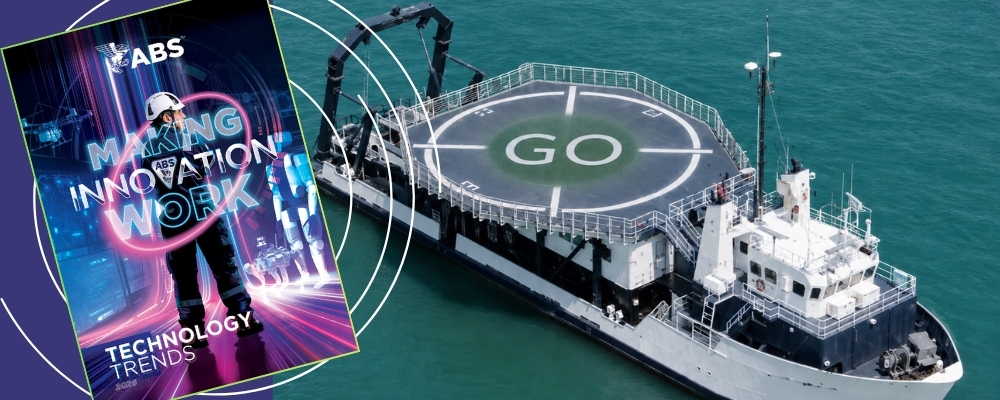
Technology Trends: Making Innovation Work–the latest in the ABS Technology Trends series–provides an updated industry roadmap for key innovations moving from development into application. The report examines the growing role of AI, the expansion of robotics and digital twins, and advances in materials and modeling. It also assesses a widening range of energy options. This includes developments such as small modular nuclear reactors.
- Download a copy of Technology Trends: Making Innovation Work here.
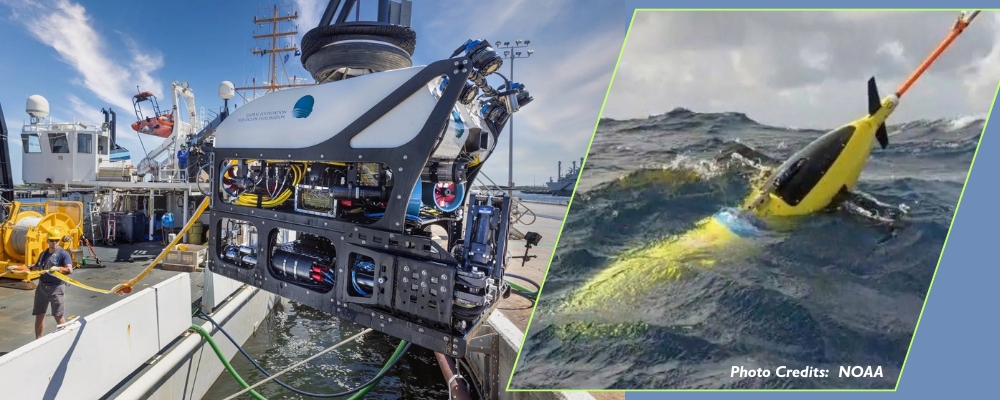
The publication highlights a shift toward more connected systems, where technologies are no longer tested in isolation. Autonomous functions, remote inspection and predictive analytics are starting to influence operational decision-making.
“Innovation in maritime is moving faster, and the conversation has changed with it,” said Patrick Ryan, ABS Senior Vice President and Chief Technology Officer. “A few years ago, the focus was on what might be possible down the road. Now we are looking at where these technologies are gaining traction, how they work together and what it will take to apply them safely and effectively.”
The report reflects how quickly the landscape has evolved since the first edition was released in 2022, particularly with the rise of AI and its intersection with digitalization, the clean energy transition and applied research. It highlights a sector moving beyond isolated pilots toward a more connected technology environment.
ABS continues to support the safe adoption of advanced technologies across the marine and offshore sectors through class leadership, research and technical guidance.
The report explains that marine and offshore sectors are undergoing significant technological transformations. Developments in the areas of digitalization, evolving energy sources and applied research are drastically impacting the way the industry designs, builds and operates assets.
Change traditionally does not come easily or quickly for maritime, ABS said. The rate of change of recent technological development is challenging the heavily rule-based and regulatory requirements-driven world these sectors inhabit. In many cases, such advances are outpacing designers, shipbuilders, operators and regulators’ ability to incorporate them.
By the time a new vessel is on the water, a further wave of technologies promising even greater benefits and efficiencies is already on the way.
These challenges were already apparent when the first ABS Technology Trends publication was released in 2022, offering a glimpse of what the industry could look like by 2050. Putting a spotlight on how fast things change was the public release of a generative artificial intelligence (AI) chatbot just a few days before the report was published. The chatbot is now very well-known and set records for the fastest-growing user base in mere months. Today, that chatbot is just one of many AI-based tools on the market.
It’s difficult to overstate the impact AI has had in the last few years. Recognizing this substantial evolution, ABS set out to provide an update on the industry’s technology landscape. While preparing this edition of Technology Trends, it was clear that the organization needed to explore the intersection of AI with the core areas of digitalization, sustainability and applied research.
ABS also explored key advancements across many of the topics covered in the first “Technology Trends” edition, while highlighting some new innovations. These elements are not merely industry trends.They are foundational shifts that are reshaping how the world operates. It is essential that stakeholders embrace this evolution and recalibrate both short- and long-term strategies to navigate the complexities of emerging regulations, technological readiness and operational boundaries.
The integration of AI and other technologies is enhancing operational efficiency, safety and environmental stewardship. However, the pace of this transformation also brings challenges, including cybersecurity threats, regulatory uncertainties and the need for workforce adaptation. Addressing these challenges is crucial for unlocking their full potential, ABS explains.
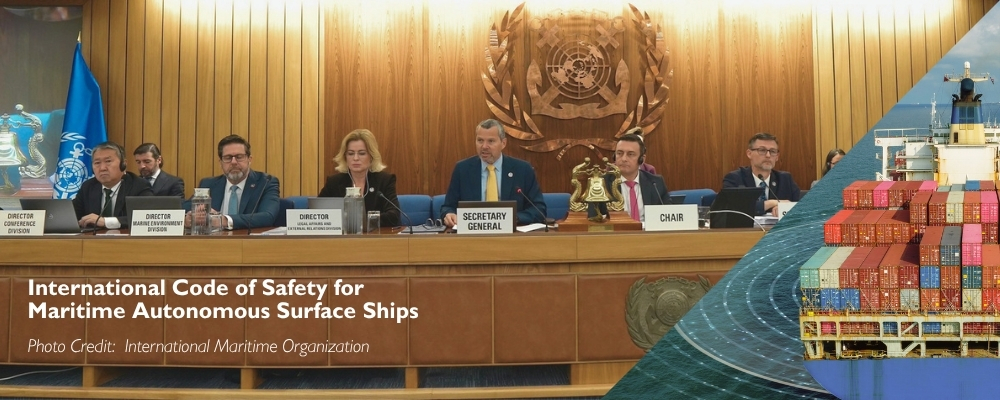
One of the most intriguing developments in maritime technology is the rise of autonomous vessels. Equipped with advanced navigation systems, these vessels have the potential to significantly reduce human error and optimize fuel consumption. They are redefining the roles of human operators, necessitating a focus on upskilling and adapting to new technologies.
Similarly, offshore platforms are increasingly using AI-powered decision-making tools to support operations and advanced maintenance strategies, thus helping minimize downtime and enhance reliability.
Even as regulations shift and evolve, the trend toward improving efficiency remains a central theme driving technological change in the marine and offshore sectors. Companies are investing in alternative fuels such as liquefied natural gas (LNG), methanol and ammonia, integrating battery and electrification technologies into their assets to reduce fuel consumption, while also integrating renewable energy sources like wind and solar into their operations. The reintroduction of nuclear technology is also gaining traction, alongside new approaches to support the emerging blue economy.